Author name: admin

Blog, Uncategorized

Industrial Steam Generators: The Powerhouse of Modern Manufacturing

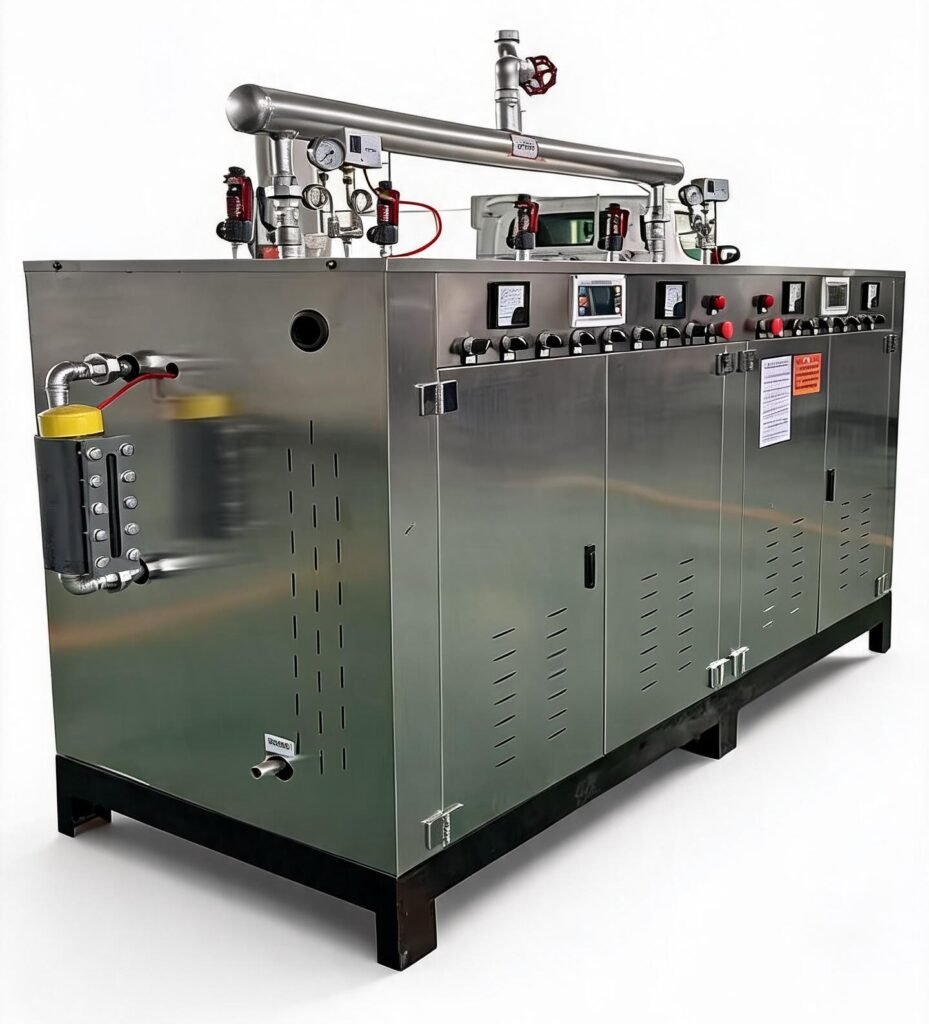
An industrial steam generator is a critical energy-conversion device serving virtually every manufacturing sector—from food and beverage processing to pharmaceutical sterilization, chemical production, and construction curing. This paper provides a structured overview of the steam generator’s five-stage operating cycle (feedwater supply, heat transfer, vaporization, steam separation, automated control), profiles four primary product categories (electric, gas-fired, oil-fired, and biomass) with their respective fuel characteristics and use cases, and maps six key application domains. It further outlines a five-point procurement framework covering capacity sizing, fuel selection, safety features, third-party certifications (CE / ASME / ISO 9001), and after-sales service evaluation. The closing section identifies three megatrends reshaping the market—decarbonization, digitalization, and modularization—and highlights the integration of waste-heat recovery with skid-mounted packages as a decisive driver of future industry advancement.
Blog, Uncategorized

Steam Generator for Home

Buying a home steam generator comes down to four things: knowing which job you actually want it for (steam shower, sauna, humidifying, ironing), sizing the unit to the room’s volume and insulation rather than to the ad, treating the water so scale doesn’t kill the element, and choosing on safety features over wattage. Get those right and it becomes a genuinely useful appliance rather than a gadget.

Blog

Why does a gas-fired steam generator fail to ignite? How can this be resolved?

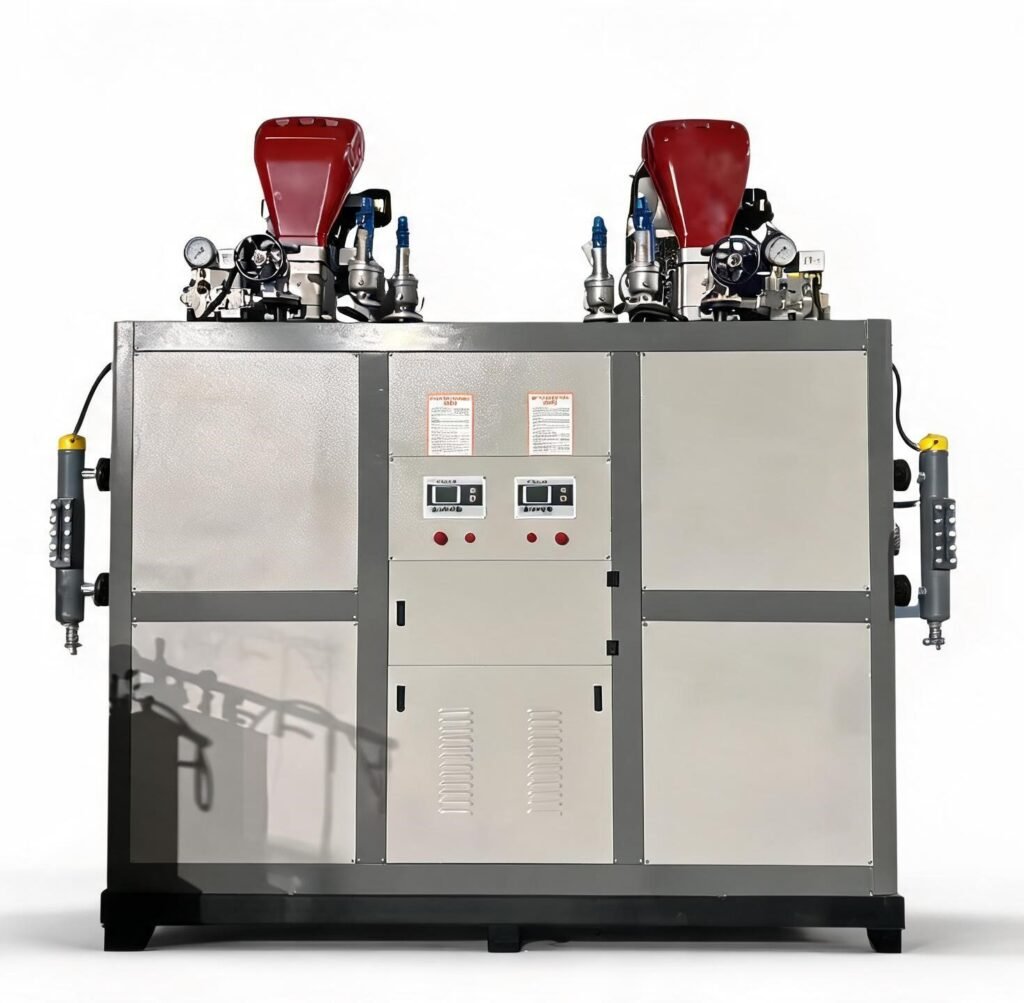
Gas-fired steam generator users often encounter ignition failure issues. Common causes include loose or damaged ignition electrodes (weak spark), foreign objects in the gas valve, improper gas flow balance in multi-stage valves or faulty solenoid valve coils, and excessively high or low gas pressure. Corresponding solutions involve replacing the ignition electrode, adjusting the multi-stage valve for proper flow, cleaning the gas valve to remove debris, and replacing damaged gas or solenoid valves. These generators are widely applied across grain drying, ironing and garment processing, food and beverage processing, hotel hot water supply, concrete curing, saunas, and heat exchange systems.

Blog

Advantages and Application Areas of Biomass Steam Generators

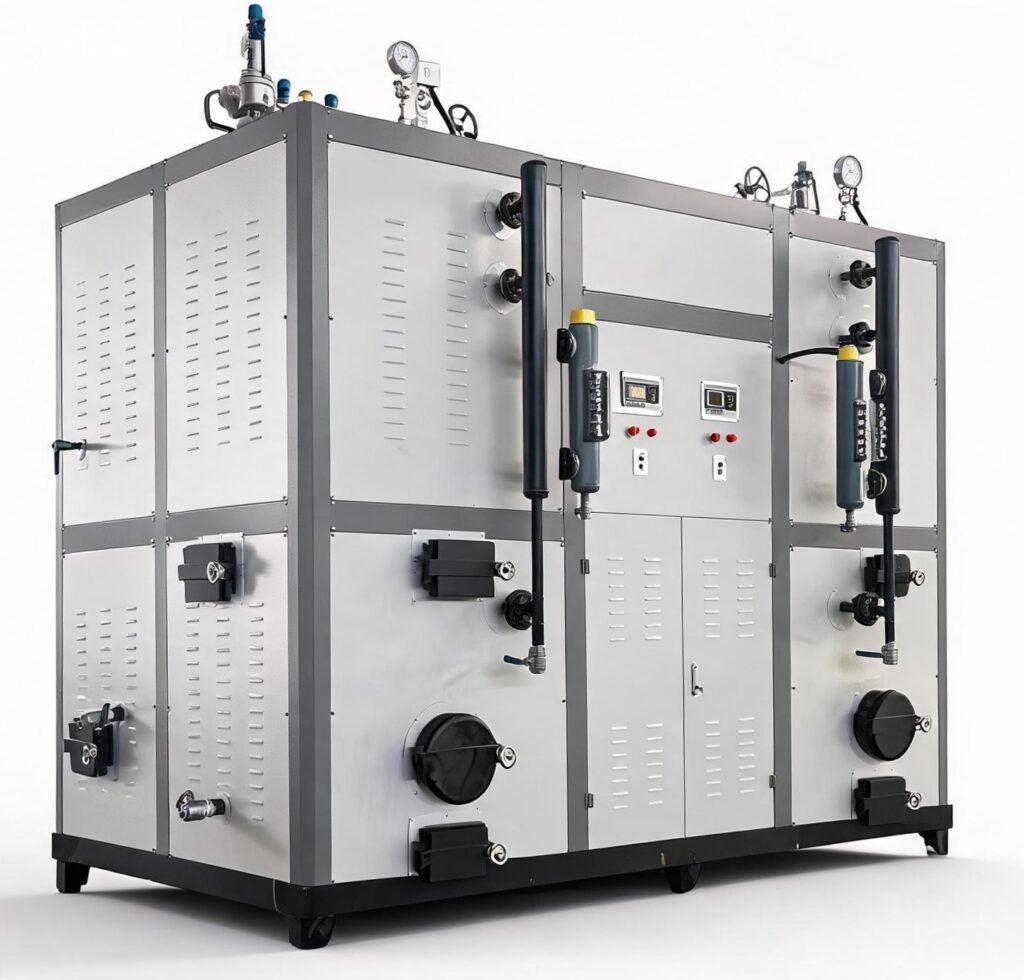
A biomass pellet burner burns agricultural and forestry waste pellets through a semi-gasification process, delivering efficient, clean combustion while avoiding slagging. Key advantages include water-cooled furnace design, large 300 kg hopper, smart automation with multi-layer safety protection, and a unique dual-drum four-pass structure achieving 20% higher thermal efficiency. Widely used in food processing, laundry, biochemical, and other industries requiring steam or heat.

Blog

How should we select the model for a gas-fired steam generator?

Selecting the right gas-fired steam generator requires a thorough evaluation of multiple key factors to ensure it aligns with operational needs and budget. This guide outlines six critical considerations: steam output requirements (matching production demand from small-scale to industrial volumes), operating pressure (balancing temperature efficiency against cost and safety), fuel type and cost (evaluating natural gas vs. LPG availability and long-term price stability), equipment dimensions and installation space (ensuring proper fit at the site), safety features (overpressure, low-water-level, and electrical leakage protection), and level of automation (matching system complexity to staff capabilities). By carefully weighing these factors against specific requirements and budget constraints, businesses can make an informed, cost-effective decision.

Inquiry Form